What to Expect During a Commercial Water Heater Installation
People searching for commercial water heater installation are typically looking to ensure proper setup and reliable operation, and local contractors can handle the installation process efficiently and safely.
Understanding what to expect during a commercial water heater installation can help property owners feel more prepared for the process. This type of upgrade or replacement is a significant project that involves careful planning and coordination to ensure the new system meets the specific needs of the business or facility. Local contractors experienced in commercial water heater installations are equipped to handle these projects efficiently, providing guidance on what steps are involved and what to anticipate at each stage.
For property owners exploring this topic, it’s often driven by the need for reliable hot water supply, energy efficiency improvements, or system upgrades to support growth. Knowing what the installation process entails can help in making informed decisions and avoiding surprises. Local service providers can offer practical assistance tailored to the unique requirements of commercial properties, ensuring the installation is completed smoothly and effectively. Keep reading to learn more about what the process typically involves and how professional contractors can support a successful water heater upgrade.
- Commercial water heater installation - businesses upgrading or replacing outdated systems can expect local contractors to assess their needs and handle the installation process efficiently.
- Tankless water heater installation - facilities seeking to improve energy efficiency may need professional installation services that ensure proper setup and integration with existing plumbing.
- High-capacity water heater setup - large commercial properties require specialized expertise to install systems capable of meeting higher demand and ensuring reliable hot water supply.
- Water heater replacement - when a commercial unit fails or becomes inefficient, local service providers can manage removal and replacement with minimal disruption.
- Commercial water heater upgrades - businesses looking to modernize their systems can rely on local pros to install newer models that meet current performance standards.
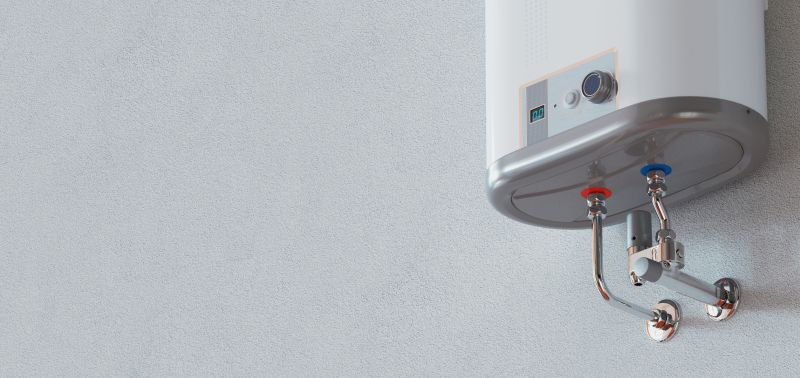
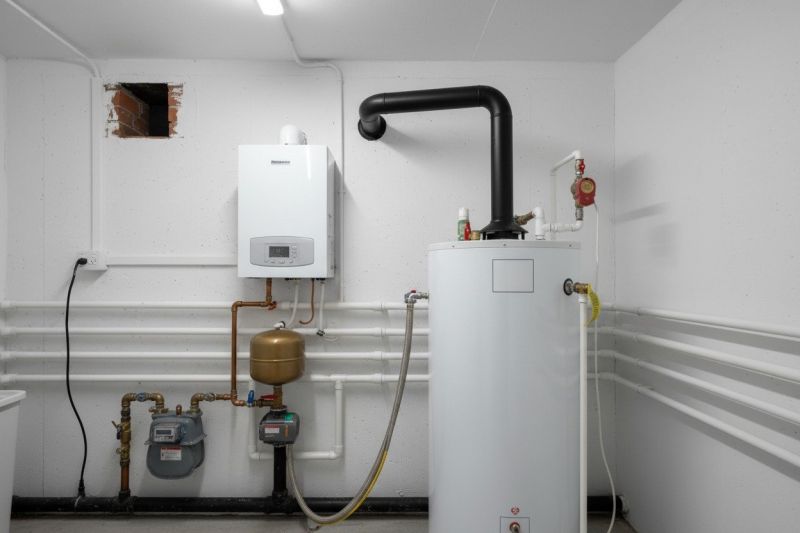
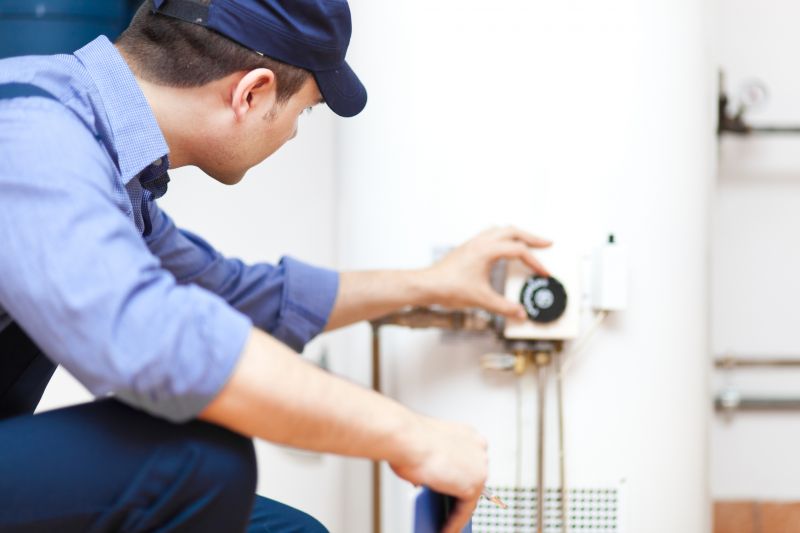
When searching for information about what to expect during a commercial water heater installation, most people are looking to understand the process involved in replacing or upgrading a water heating system for their business or property. This topic is often connected to plans for improving water efficiency, ensuring reliable hot water supply, or addressing issues caused by an aging or malfunctioning unit. Commercial properties such as restaurants, hotels, office buildings, and retail spaces frequently require larger-capacity water heaters to meet their demand. Property owners and managers want to know how the installation will impact daily operations, what kind of equipment is involved, and how experienced local service providers can ensure the work is done safely and efficiently.
The installation process typically involves a series of practical steps that property owners can expect to be handled by local contractors. It begins with an assessment of the existing system and the property's hot water needs. The pros will then plan the appropriate size and type of water heater, whether it’s a tank-style or tankless unit, to match the property’s usage. During the installation, the existing water heater will be disconnected and removed, which may involve some minor plumbing and electrical work. This phase often requires careful planning to minimize disruption, especially in busy commercial settings. Local service providers bring the necessary experience to manage these tasks smoothly, ensuring the new system is installed correctly and ready to deliver reliable hot water.
Property types that typically come up in discussions about commercial water heater installation include restaurants, laundromats, medical offices, and multi-unit residential buildings. These properties often have higher hot water demands and require systems capable of handling continuous use. For example, a restaurant may need a large, high-capacity water heater to supply kitchens and restrooms, while a hotel might require multiple units for different floors or sections. The installation process must account for space constraints, building codes, and existing infrastructure. Local contractors familiar with commercial properties understand the specific requirements and can recommend the best solutions, ensuring the new water heater is integrated seamlessly into the property’s overall utility system.
Understanding what to expect during a commercial water heater installation helps property owners prepare for the project and collaborate effectively with local service providers. These professionals are equipped to handle the technical aspects, from disconnecting old units to installing new, efficient systems tailored to the property’s needs. They also coordinate with other trades if necessary, such as electricians or plumbers, to ensure the installation meets all necessary standards. By working with experienced local contractors, property owners can expect a smooth process that results in a dependable hot water supply, minimal downtime, and a system that supports the property’s operational needs for years to come.
Commercial plumbing upgrades - these projects involve installing or replacing large-scale plumbing systems, requiring similar planning and tools as water heater installations.
Boiler system installations - installing commercial boilers shares comparable technical skills and knowledge of building infrastructure with water heater setup processes.
HVAC system upgrades - upgrading or installing heating systems often involves coordinating with plumbing and electrical components, similar to water heater installation tasks.
Water line rerouting projects - rerouting or extending water lines requires precise planning and the use of specialized tools, aligning with the skills used in water heater installations.
Tankless water heater conversions - switching from traditional to tankless systems involves similar considerations for space, plumbing, and electrical connections as during water heater installation.
Building plumbing inspections - comprehensive plumbing inspections ensure systems are ready for new installations, paralleling the assessment phase in water heater setup services.
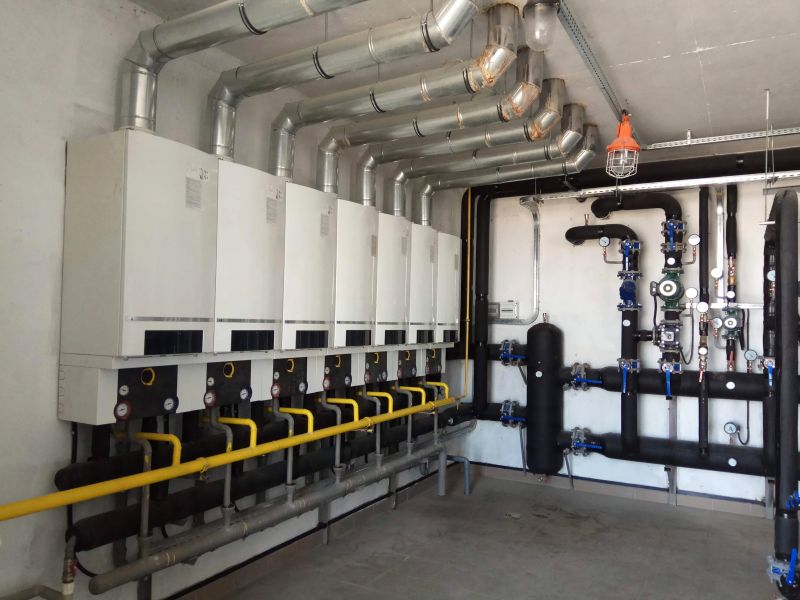
When evaluating service providers for a commercial water heater installation, it is important to consider their experience with similar projects. Contractors who have handled installations of comparable size and complexity are more likely to be familiar with the specific requirements and potential challenges involved. This experience can contribute to a smoother process, reducing the likelihood of unforeseen issues and ensuring that the installation meets the necessary standards for your commercial space. Asking about past projects or seeking references related to commercial water heater work can provide insight into a contractor’s familiarity and competence in this area.
Clear, written expectations are essential when comparing local contractors for a commercial water heater installation. A reputable service provider should be able to outline the scope of work, including preparation, installation procedures, and post-installation steps, in a detailed manner. This transparency helps ensure that both parties understand what is included in the service and can prevent misunderstandings. When reviewing proposals or estimates, look for detailed descriptions of the work involved, as well as any warranties or guarantees offered, to better gauge the professionalism and reliability of each contractor.
Effective communication plays a key role in the success of any installation project. Service providers who are responsive, transparent, and willing to answer questions can help clarify the process and set realistic expectations. Reputable local contractors typically provide clear explanations of the work process and are open to discussing specific concerns or preferences. Gathering feedback or references that highlight a contractor’s communication skills can be a valuable step in choosing a partner who will keep you informed throughout the installation, ultimately contributing to a more straightforward and satisfactory experience.
Property owners often search for what to expect during a commercial water heater installation when they are planning practical projects around their homes and businesses. Local pros provide Commercial Water Heater Installation services for everyday jobs and straightforward project options.
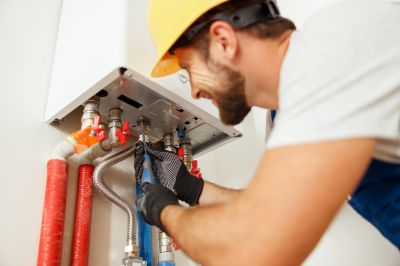
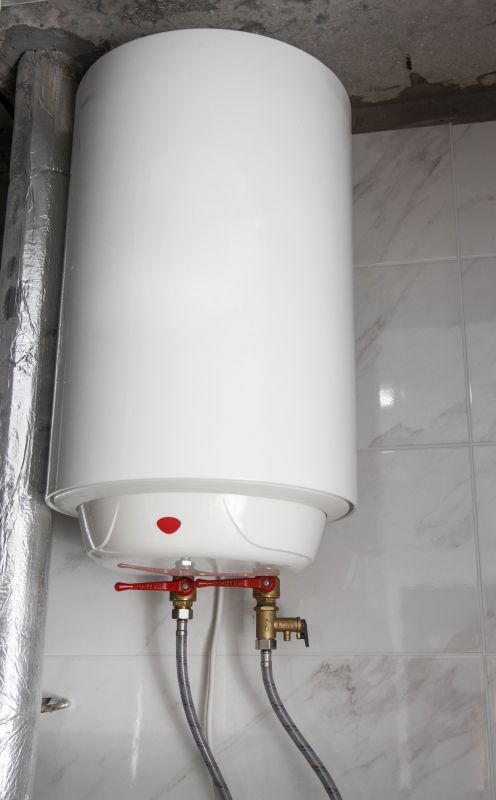
During a commercial water heater installation, property owners can generally expect a process that involves assessing the existing setup, preparing the space, and carefully installing the new unit. Local contractors typically evaluate the current water heating system to ensure the new equipment will operate efficiently and safely. They will handle the removal of the old water heater, if necessary, and make any adjustments to plumbing and electrical connections to accommodate the new unit. This process often includes verifying proper placement and securing the water heater to meet local building standards, providing property owners with a clear idea of what the project entails from start to finish.
Property owners in the area might look up this topic to understand what kind of work is involved in upgrading or replacing a commercial water heater. Knowing what to expect during a commercial water heater installation can help them plan accordingly and choose experienced service providers who can handle the job smoothly. Local contractors are equipped to manage the installation efficiently, minimizing disruptions to daily operations and ensuring the new water heater is set up correctly for reliable performance. These professionals can also advise on the best options for their specific commercial needs, making the installation process straightforward and transparent.
What are the typical steps involved in a commercial water heater installation? Local contractors generally assess the site, select the appropriate unit, prepare the area, and then install the water heater, ensuring all connections and safety measures are properly handled during the process.
How do professionals ensure the new water heater meets the building’s needs? Service providers evaluate the building’s hot water demand, size requirements, and existing infrastructure to recommend and install a unit that efficiently supports the business’s operations.
What safety precautions do installers take during a commercial water heater installation? Local pros follow safety protocols such as shutting off utilities, using proper protective gear, and ensuring correct venting and connections to prevent hazards during installation.
Will the installation cause disruption to the business or operations? While some temporary adjustments may be necessary, experienced contractors plan installations to minimize downtime and ensure a smooth transition to the new water heater.
What should be expected after the installation is complete? After installation, the service provider will typically test the unit, check for leaks, and ensure everything functions correctly before leaving the site ready for use.
Assessment of existing setup - Local contractors evaluate the current water heating system to determine the best installation approach for the property’s needs.
Preparation of the installation site - Service providers prepare the designated area, ensuring proper space, ventilation, and access for a smooth installation process.
Installation process overview - Pros handle the removal of the old unit and securely install the new commercial water heater, following standard procedures for safety and efficiency.
Post-installation inspection and testing - Contractors verify that the new system operates correctly, checking for leaks and ensuring proper connections before completing the project.
If you are thinking about what to expect during a commercial water heater installation for a property, this guide is meant to help you understand this topic, the typical project types, and how different options might fit your plans.
When you are ready, you can use the quote form on this page to share a few details about your project. From there, local pros can review the basics and follow up with options that match what you have in mind.